March 30, 2026
A roof does far more than cover a building. It serves as a barrier against wind, rain, sunlight, debris, and changing temperatures while helping protect the structure beneath it. Because it is exposed to the elements every day, even a well-built roof will experience wear over time. Small issues that seem minor at first can gradually affect larger portions of the system if they are not addressed. This is why roof repair plays such an important role in supporting performance over the long term. Instead of waiting for widespread damage or a full replacement, property owners who respond early are often better positioned to preserve function, avoid rising costs, and maintain the strength of the roof for years to come.
Identifying Early Signs of Deterioration
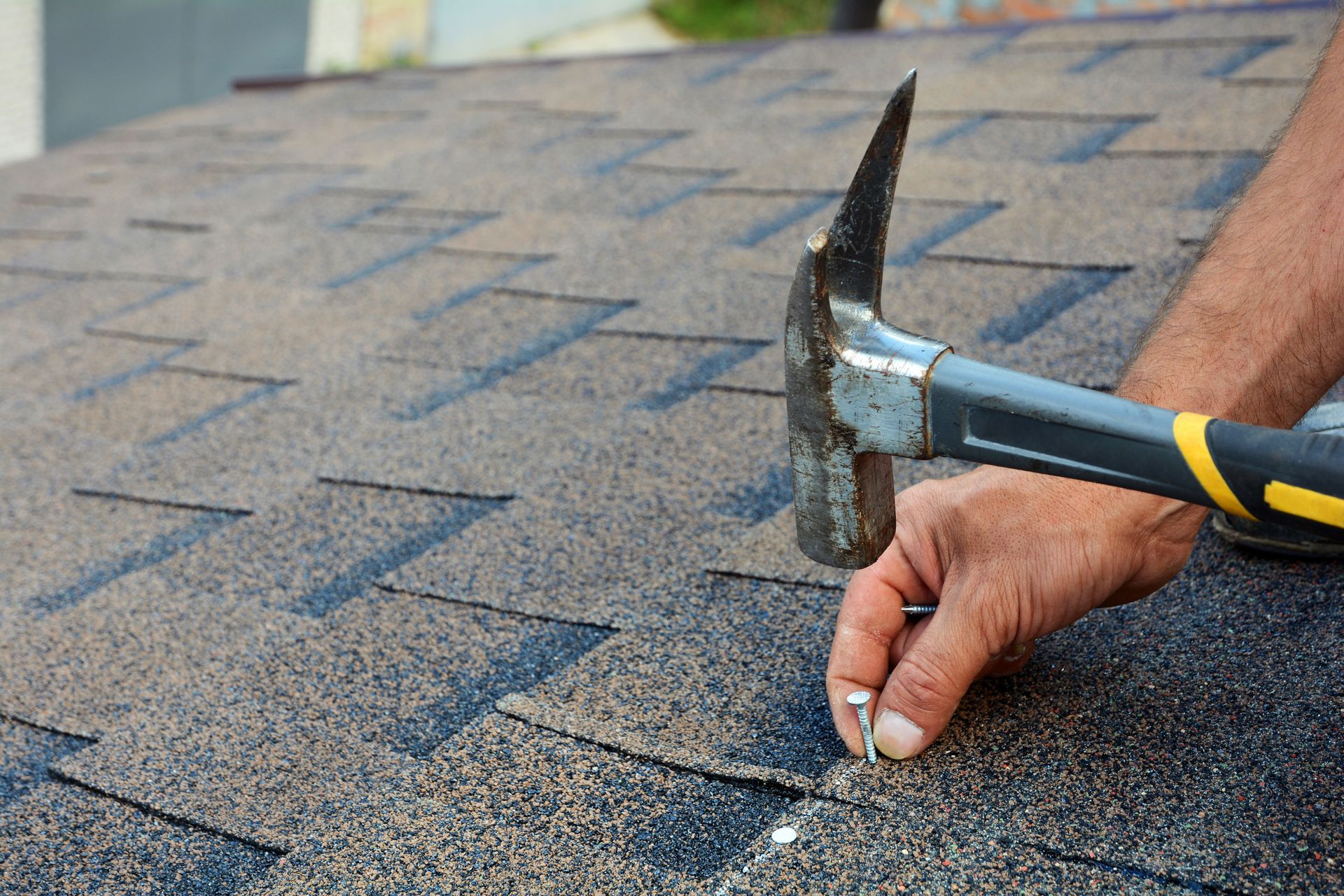
One of the most important ways roof repair supports long-term performance is by addressing early warning signs before they become major concerns. Roof problems rarely appear all at once. More often, they begin with loose shingles, cracked flashing, small punctures, granule loss, or isolated discoloration. These issues may not seem urgent from the ground, but they can create openings that allow moisture and air to move where they should not.
When these signs are ignored, the roofing system can weaken in stages. A lifted shingle may expose underlayment, while damaged flashing near vents or chimneys may allow water to enter vulnerable seams. Timely roof repair helps stop this progression by correcting the source of the problem while the affected area is still manageable. In many cases, early intervention protects not only the outer roofing material but also the decking, insulation, and interior surfaces below. Over time, that proactive approach makes a clear difference in how well the entire roof continues to perform.
Preventing Moisture From Spreading
Water is one of the most damaging threats a roof can face. Even a small leak can affect insulation, wood framing, ceilings, walls, and electrical components if it continues unchecked. Moisture can also encourage mold growth, reduce insulation effectiveness, and contribute to rot in hidden areas. Because of this, one of the clearest long-term benefits of roof repair is moisture control.
A proper repair does more than patch a visible leak. It restores the roof’s ability to shed water efficiently and protect the layers underneath. This may involve replacing damaged shingles, resealing penetrations, securing flashing, or correcting weak points where water tends to collect. Each step helps preserve the integrity of the roofing system as a whole.
Long-term roof performance depends heavily on consistent moisture resistance. Once water begins to move beneath the surface, damage often expands beyond the original entry point. By resolving leaks and moisture-related vulnerabilities early, roof repair supports a drier, stronger, and more dependable structure.
Protecting Roofing Materials From Premature Failure
Every roofing material has its own strengths, but all of them depend on timely correction when damage occurs. Shingles can loosen or curl, sealants can degrade, flashing can separate, and underlayment can become exposed. If one component fails, the surrounding materials are forced to absorb more stress. In that sense, the performance of a roof is tied not just to the age of the system but also to the condition of its individual parts.
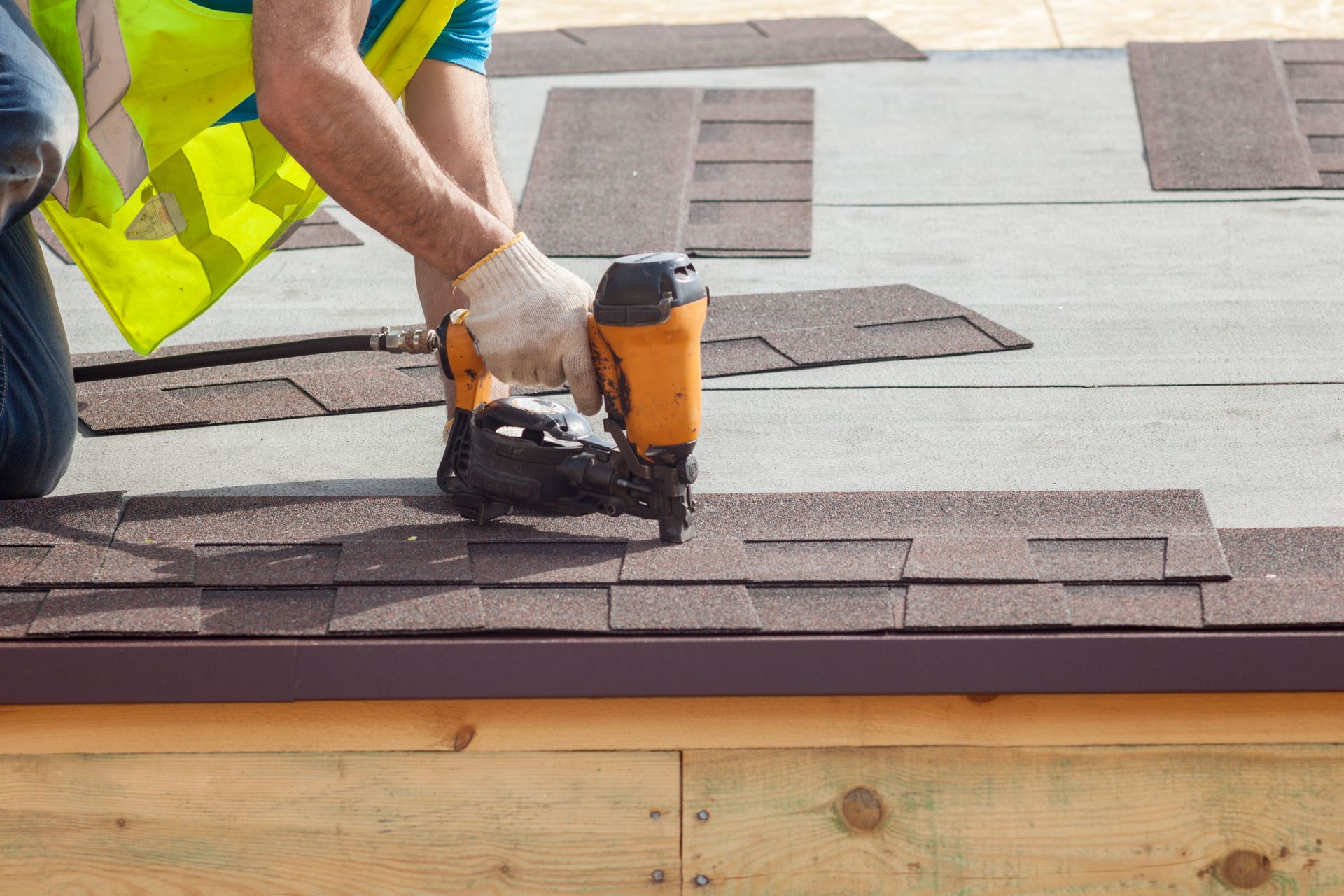
This is especially important on asphalt shingle roofs, which remain the most common choice for residential properties. According to Ruby Home, asphalt shingles are the most commonly used roofing material, appearing in roughly 80 percent of roofing projects. Because this material is so widely used, many property owners will eventually face maintenance or repair decisions related to shingle wear, storm damage, or flashing issues. Strategic roof repair helps preserve the effectiveness of these materials by replacing compromised sections before they undermine broader roof function.
Rather than allowing deterioration to spread across large areas, targeted repairs help maintain the original design and weather resistance of the roofing system. When materials remain secure, sealed, and properly aligned, they are better able to withstand future exposure to wind, rain, and changing temperatures.
Supporting Better Energy Efficiency
Long-term roof performance is not limited to leak prevention. A well-maintained roof also contributes to energy efficiency by helping regulate indoor temperatures and protecting insulation from damage. When roofing materials are missing, cracked, or improperly sealed, outside air and moisture can interfere with the building envelope. That added strain can make heating and cooling systems work harder throughout the year.
Roof repair helps restore the roof’s role as a protective thermal barrier. Sealing openings around roof penetrations can reduce drafts and moisture intrusion. Replacing damaged components can help keep insulation dry and effective. Repairing sections affected by wind or aging can also improve the consistency of the roof surface, which supports better overall performance in changing weather conditions.
These improvements may seem modest at first, but they can have meaningful long-term effects. A roof that remains intact and weather resistant is better equipped to support stable indoor comfort while reducing unnecessary energy loss. In this way, roof repair contributes not only to structural protection but also to the daily efficiency of the property.
Extending Service Life Through Ongoing Maintenance
Many people view roof problems as either minor inconveniences or signs that full replacement is inevitable. In reality, there is often a large middle ground where professional maintenance and repairs can preserve performance for much longer. Roofs age gradually, and their lifespan is strongly influenced by how quickly damage is identified and corrected.
Routine inspections and timely repairs create an opportunity to manage wear in a practical way. Instead of allowing multiple weak points to develop across the roof, property owners can address isolated issues as they appear. This approach reduces cumulative stress on the system and often prevents damage from reaching the level where widespread replacement becomes the only realistic option.
From a long-term perspective, roof repair is one of the most effective tools for maximizing the value of an existing roof. It supports continued performance by reinforcing vulnerable areas, correcting damage from storms or debris, and ensuring that the roof remains capable of doing its job under everyday conditions.
Preserving Property Value and Peace of Mind
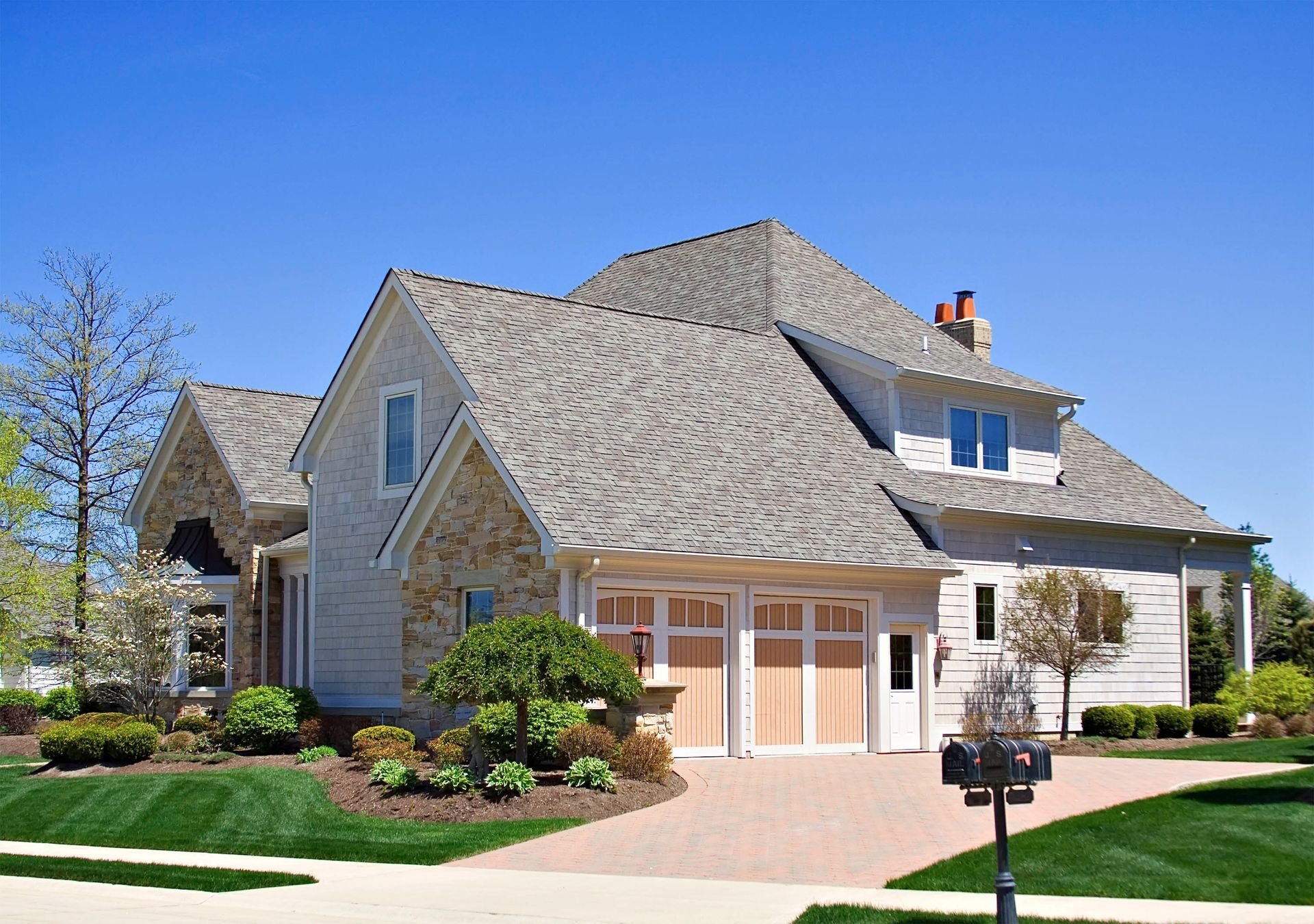
A roof in poor condition affects more than the structure itself. It can also influence property value, curb appeal, and buyer confidence. Visible signs of damage, staining, sagging, or missing materials often raise concerns about hidden problems and deferred maintenance. A roof that has been properly maintained sends a different message. It suggests that the property has been cared for and that major systems have not been neglected.
Roof repair supports this broader sense of stability by helping the property remain functional, presentable, and protected. It reduces the likelihood of sudden emergencies, minimizes the disruption caused by active leaks, and allows property owners to make decisions from a position of preparation rather than urgency. That can be especially valuable after storms or seasonal weather changes, when prompt action may prevent further complications.
A sound roof also offers peace of mind. Property owners can feel more confident knowing the building is protected overhead and that small issues are not being left to develop into major setbacks. In that respect, long-term roof performance is not only about materials and construction. It is also about prevention, consistency, and confidence in the condition of the structure. Call 940 Roofing and Construction today to schedule your roofing or construction service.